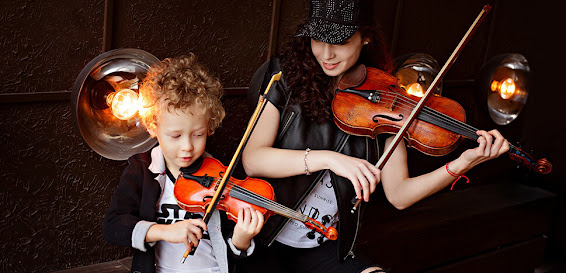
Enrolling your child in a Singapore violin class offers a multitude of benefits, both in terms of musical development and personal growth. Singapore boasts a vibrant music education scene with highly qualified instructors who follow structured learning methods tailored for children. Kids who take violin lessons not only acquire the technical aspects of playing an instrument, but they also acquire important life skills like patience, discipline, and concentration.
Music education is proven to enhance cognitive development in young children, improving areas like memory, concentration, and problem-solving abilities. Additionally, learning the violin promotes creativity and emotional expression, allowing children to communicate their feelings through music. In Singapore, many violin classes provide a supportive, social environment where children can interact with peers, fostering teamwork and collaboration.
Furthermore, a Singapore violin class often prepare students for graded music examinations, offering them a goal-oriented learning journey. Young violinists are also encouraged to show off their skills by having access to a variety of local competitions and performances, which boosts their self-esteem and sense of accomplishment.
Challenges with online violin learning among kids
Limited Feedback in Real Time
One of the biggest challenges with online violin learning is the limited real-time feedback from the instructor. In face-to-face lessons in a Singapore violin class, teachers can immediately correct a student’s posture, bow hold, or finger placement, which is crucial in violin playing. Delays or poor video quality can impede this procedure online. Misalignments may go unnoticed, leading to improper techniques and slower progress.
Inability to Establish Proper Technique and Posture
Playing the violin requires precision, especially when learning posture and hand positions in the beginning. Instructors in a virtual class only have access to what the camera captures, which may not include all necessary angles for proper posture. Without hands-on guidance in Singapore violin class, kids might develop bad habits, which can later be hard to unlearn.
Distractions at Home
The home environment, while convenient, often presents numerous distractions. Children may have trouble staying focused during online lessons due to distractions such as siblings, pets, and sounds from the house. Unlike a dedicated classroom setting where there’s a clear sense of discipline, the informal atmosphere at home can make it difficult for young learners to stay engaged and focused.
Lack of Instrument Tuning and Maintenance Guidance
To ensure that the violin produces the right sound, it must be tuned correctly, a skill that must be acquired gradually. It is harder for teachers to help young students accurately tune their instruments when they teach them online. Moreover, maintaining the violin, like ensuring the bow has enough rosin or adjusting the bridge, can be challenging to teach over video, and children may struggle without hands-on guidance.
Problems with the technology and screen fatigue
Online learning is heavily dependent on stable internet connections, and poor connectivity can disrupt lessons, causing frustration for both the child and the instructor. Glitches, delays, and disconnections can lead to a disjointed learning experience. Additionally, prolonged screen time can result in eye strain and screen fatigue, which affects a child’s ability to concentrate and may diminish their enthusiasm for learning the violin.
Insufficient Social Interaction
For young children, group lessons or in-person music classes offer a social aspect that is extremely motivating. They are motivated to practice and develop healthy competition when they interact with peers who have interests that are similar to theirs. Online classes, however, often lack this social element, making it harder for kids to feel a sense of community. This can reduce their motivation to practice regularly and engage in lessons fully.
Having a hard time connecting with the instructor
Establishing rapport with an instructor is crucial for a child’s musical journey, as it fosters a sense of trust and comfort. Due to the absence of face-to-face interaction in a Singapore violin class, developing a personal connection with the instructor can be more difficult in an online setting. The child may feel less inclined to ask questions or voice concerns about their progress as a result of this disconnect, which may reduce their level of engagement.
Reduced Opportunities for Performance
A Physical Singapore violin class often culminate in recitals or group performances, where students can showcase their progress and build confidence. Because it is difficult to replicate live performance practice online, these opportunities are limited. Students' motivation may suffer as a result of missing out on the joy of performing and receiving praise for their efforts without these events.
How a Singapore violin class can help?
Structured Learning Environment
A Singapore violin class offers a well-structured learning environment tailored to children's developmental needs. Lesson plans that are appropriate for each student's age are typically used in these classes to ensure that each student progresses at a pace that is both comfortable and challenging. The structured approach helps kids master basic techniques before moving on to more advanced skills, laying a solid foundation for long-term success.
Qualified and seasoned instructors
Taking a violin class in Singapore gives you access to highly qualified instructors, which is one of the biggest benefits. Many of these teachers have extensive teaching experience and professional training as musicians. They are able to instruct children using the appropriate methods and assist them in avoiding common blunders because of their expertise. Additionally, they have the ability to inspire and motivate young students, ensuring that lessons are engaging and informative at the same time.
Plans for Individualized
Education In Singapore, violin classes frequently tailor learning plans to each student's specific abilities and objectives by catering to their individual requirements. The curriculum is tailored to each child's level, whether they are just starting out or have some previous experience, ensuring that they remain engaged and motivated. The student will be able to advance at a faster rate thanks to the individualized attention they receive.
Exposure to Music Theory and Appreciation
Children enrolled in violin classes frequently learn the fundamentals of music theory in addition to mastering the instrument. They are able to read sheet music and recognize rhythms because of this knowledge, which enhances their appreciation of the art form. Additionally, Singapore's music education programs encourage children to investigate a variety of musical styles, enriching their musical experience as a whole.
Develops Discipline and Focus
Playing the violin requires focus, precision, and patience. A Singapore violin class helps children develop these traits as they practice regularly to master the instrument. Learning a complex piece of music teaches discipline, which can help them in other areas of their lives like schoolwork and extracurricular activities. Over time, children learn to stay focused for longer periods, improving their attention span and ability to tackle challenges.
Boosts Inspiration and Emotional Expression
Learning to play the violin provides a creative outlet for children, allowing them to express emotions through music. As they become more comfortable with the instrument, they can experiment with different styles and pieces, exploring their creative abilities. Children's ability to express themselves through music helps them cope with stress and anxiety and fosters emotional intelligence.
Opportunities for Performance and Growth
Violin classes in Singapore often provide students with opportunities to participate in recitals, competitions, and other performance events. These occasions allow young musicians to showcase their talents in front of an audience, building self-confidence and stage presence. Performing in public also helps children overcome stage fright, teaching them valuable skills like managing nerves and maintaining composure under pressure.
Social Interaction and Teamwork
Children can interact with their peers through music classes, especially those that include group lessons or ensemble practices. Students must listen to one another and play in harmony when playing music in orchestras or groups. This makes it easier for them to work together and work as a team. Children can build long-lasting friendships with fellow musicians thanks to these social interactions, which help them develop communication skills and a sense of camaraderie.
Preparation for Music Examinations
The graded music examination system, such as that of the Associated Board of the Royal Schools of Music (ABRSM), is followed by many Singapore violin classes. Children are encouraged to work toward specific accomplishments by these examinations, which provide them with clear goals and milestones in their musical journey. Successfully passing these exams gives students a sense of accomplishment and adds to their credentials if they choose to pursue music more seriously.
Enhanced Motor and Cognitive Skills
Learning to play the violin stimulates cognitive development, particularly in areas like memory, coordination, and problem-solving. The intricate hand movements required to play the violin improve fine motor skills while reading music and interpreting rhythm patterns sharpen cognitive abilities. Children who engage in music lessons often display improved academic performance and enhanced spatial-temporal skills, contributing to overall brain development.
Why should kids use Stradivari Strings?
Stradivari Strings is a top choice for kids'
violin classes in Singapore because it is dedicated to developing musical talent in young people through individualized and expert instruction. The school is known for its experienced teachers, many of whom are accomplished musicians themselves. Each child receives individualized attention based on their skill level and objectives, and their teaching method is intended to make learning the violin enjoyable and rewarding.
Stradivari Strings also offers a comprehensive learning experience that goes beyond just playing the violin. They provide lessons in music theory and performance, preparing students for graded music examinations like the ABRSM. In addition, the school provides performance opportunities for students, such as recitals and concerts, which enable them to demonstrate their progress and boost their self-assurance.
Parents appreciate Stradivari Strings' flexible scheduling options, which cater to busy family routines, and their excellent customer service. With a focus on cultivating a lifelong love for music, Stradivari Strings creates a positive, encouraging environment where children can thrive musically and personally.


.jpg)
Comments
Post a Comment