Why is learning from an experienced violin teacher beneficial?
Many young learners feel that they will be able to learn violin on their own. However, the actual situation is quite different from what you believe. Learning violin is absolutely possible but it requires proper guidance. Only when you're guided by the best violin teacher, you will be able to understand the intricacies of this instrument. Self-learning or independent learning is only possible after completing the fundamental foundation level. However, even then it is recommended to always take lessons from an experience violin teacher in the advanced steps.
Self-learning can only be useful if you put it into practice. The instructions that you get from an experienced violin teacher plays a pivotal role for any learner. The reason is not only because they have great experience but also because they can help to identify mistakes and rectify them in the initial stage. Additionally, having a violin teacher is more like an inspiration to students. Working with a great violin is helpful whether you are taking private lessons or in a classroom setting. The instructor will always assist you in overcoming obstacles.
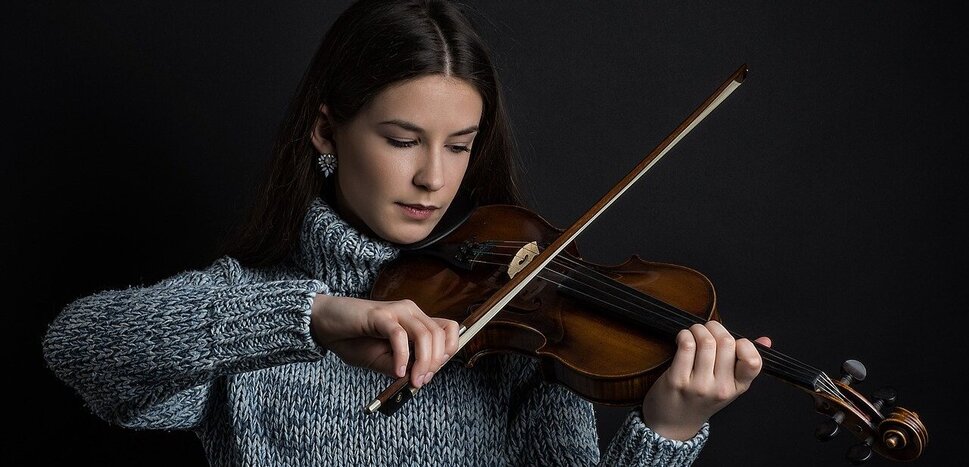
Benefits of taking lessons from a violinist:
Dedicated Attention and Tailored Advice: Personal attention from an experienced violin instructor ensures that lessons are tailored to your specific requirements and learning style. They give you immediate feedback and constructive criticism, which helps you fix mistakes quickly and boost your confidence.
Deep Knowledge and Expertise:
A seasoned violin teacher possesses extensive knowledge of violin playing techniques and music theory. They can share valuable insights and tips derived from their years of practice and teaching, facilitating a smoother and more comprehensive learning experience for students.
Effective Practice Techniques:
With an experienced violin teacher, students learn not just how to play, but also how to practice efficiently. They introduce effective practice routines and strategies, helping students to maximize their practice sessions and improve consistently.
Goal Setting and Planning:
A professional violin teacher assists students in setting realistic and achievable goals. You can make the learning process more rewarding and enjoyable by creating a structured practice plan, remaining motivated, and accurately tracking your progress with their help.
Emotional Support and Motivation:
Learning to play the violin can be difficult and frustrating at times. A supportive violin teacher understands the emotional ups and downs students may encounter and offers encouragement, motivation, and a positive learning environment to keep you inspired.
Exposure to Different Music Styles:
A knowledgeable violin teacher exposes students to various music genres and playing styles. As a result of this exposure, your musical horizons will be expanded, your versatility will be enhanced, and you will be able to discover your own distinctive voice and style as a violinist.
Acquiring Performance Skills:
Under the mentorship of an expert violin teacher, students not only learn to play but also to perform. They impart essential performance skills, such as stage presence, dealing with stage fright, and connecting with the audience, which are invaluable for aspiring performers.
Proper Technique and Posture:
To avoid injuries and ensure long-term viability as a violinist, it is essential to practice proper posture while playing. An experienced violin teacher emphasizes these fundamentals from the start, laying a solid foundation for your future growth and development as a musician.
Opportunities for Connections:
A well-connected violin teacher can introduce students to a broader community of musicians, ensembles, and opportunities. Students interested in joining orchestras or chamber groups or pursuing careers in music may find these connections to be essential.
Preparation for Exams and Auditions:
If you aim to undertake music examinations or audition for orchestras or music schools, a qualified violin teacher can provide indispensable support and preparation. They guide you through the requirements, expectations, and best practices to approach these challenges successfully.
Passion for lifelong learning:
An inspiring violin teacher not only imparts technical skills but also instills a lifelong love and passion for music. Students cultivate a commitment to ongoing learning and improvement by learning to appreciate the beauty and joy of making music under their guidance.
Self Violin Learning Vs. Learning from a Violin Teacher
With numerous online platforms, tutorials, and apps designed to assist beginning violinists, the digital age has made self-learning more accessible than ever. However, how does self-learning compare to traditional violin instruction?
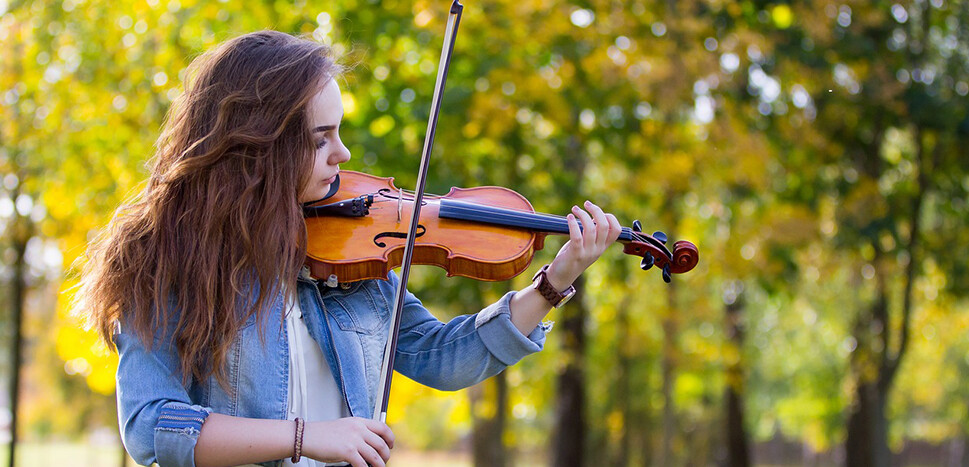
Self Violin Learning:
- Flexibility: One of the main advantages of self-learning is flexibility. You can learn anywhere, at any time, and at your own pace. There's no need to schedule classes or commute.
- Cost-effective: Self-learning resources like apps and online tutorials typically cost less than hiring a personal instructor.
- Self-reliance: It encourages students to independently discover solutions and resources by cultivating a sense of independence.
- However, self-learning also presents challenges. There's a risk of developing bad habits without someone to correct your technique. It can also be lonely without an instructor or peer group, and motivation can wane without external encouragement.
Learning from a Violin Teacher:
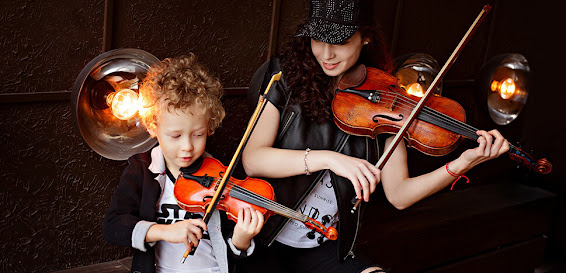
- Structured Guidance: A violin teacher offers a structured path for learning. They have a curriculum that they can modify to meet the needs of each student.
- Immediate Feedback: Mistakes can be corrected on the spot, ensuring bad habits aren't ingrained.
- Motivation and Accountability: Regular classes and the very presence of a teacher can act as motivation. Knowing someone is tracking your progress can push you to practice and improve.
- Tailored Approach: A violin teacher can understand the nuances of your strengths and weaknesses and tailor lessons accordingly. This ensures that learning is more efficient and targeted to individual needs.
- Interpersonal Interaction: Learning with a teacher encourages interaction, which can be extremely rewarding and motivating for both the teacher and the student. This bond often leads to deeper levels of commitment and passion for the instrument.

.jpg)
Comments
Post a Comment