Frequently Asked Questions about violin lessons
Learning the violin is a dream for many, offering not just the joy of music but also personal growth, discipline, and emotional expression. It’s an instrument that has captivated audiences for centuries with its rich tones and expressive range, but for beginners or parents enrolling their children, it can feel like entering a whole new world.
The journey to mastering the violin is both exciting and challenging. From choosing the right instrument size to understanding bowing techniques, reading sheet music, and developing muscle memory, there’s a lot to consider. Questions naturally arise, such as: Is my child too young or too old to start? Do I need to know music theory beforehand? How long before I can play a song I love? These are all valid and common concerns, especially for those who are just beginning.
The good news is that with the right guidance, a supportive learning environment, and consistent practice, learning the violin can be incredibly rewarding at any age. In a musically rich city like Singapore, aspiring musicians have access to a wide variety of structured programs tailored to all skill levels. Many music schools and private tutors offer personalised violin lessons in Singapore that are designed to make learning effective, enjoyable, and sustainable.
Whether you're a complete beginner, a returning adult learner, or a parent helping your child start this musical journey, this comprehensive guide answers the most frequently asked questions about violin lessons. Understanding what to expect will not only help you make informed decisions but also boost your confidence as you step into the world of violin playing.

1. What Is the Right Age to Start Violin Lessons?
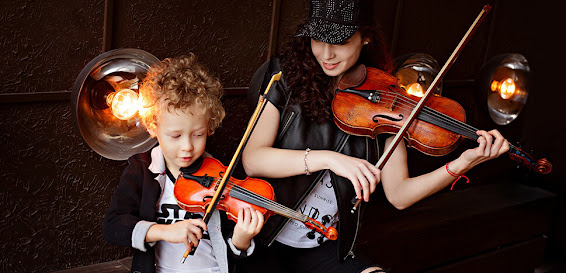
There’s no definitive “perfect” age, but most music educators agree that children can start violin lessons as early as 4 to 6 years old. At this age, many children begin developing the cognitive and motor skills necessary to hold the violin correctly, follow instructions, and learn basic rhythm and pitch. Early exposure also makes it easier to develop proper muscle memory and ear training over time.
However, the violin is not just for the young. Adults, whether in their 20s, 40s, or beyond, can also begin learning and make significant progress with consistent effort and the right guidance. In fact, adult learners often bring greater focus and motivation to their lessons.
The key is not just age, but interest, discipline, and readiness to learn. If your child shows enthusiasm for music and can sit through a 30-minute lesson with concentration, they’re ready. The same applies to adults who are willing to commit time to practice. Many providers of violin lessons in Singapore offer programs tailored to both children and adults, recognising that learning styles vary with age.
Yes, having your own violin, either rented or purchased, is essential for consistent practice and progress. Without regular at-home practice, it’s difficult to reinforce what’s learned during lessons.
Violins come in fractional sizes (such as 1/16, 1/10, 1/4, 1/2, 3/4) for children and full size (4/4) for adults. Using an instrument that’s the right size is important for posture, comfort, and sound quality. Teachers offering violin lessons in Singapore usually assess your (or your child’s) arm length to determine the correct size.
Renting is often a good option for beginners who are not yet ready to invest in a full-priced instrument. Many local music stores offer violin rental packages that include a bow, rosin, and case.
Lesson length typically depends on the student's age, skill level, and focus capacity:
- Young beginners (ages 4–7): 30 minutes
- Older children and intermediate students: 45 minutes
- Advanced or adult learners: 60 minutes or more
Shorter lessons help young children avoid fatigue, while longer sessions give more time for technique, theory, and repertoire development.
Most music studios offering violin lessons in Singapore provide flexible plans, so you can start with shorter sessions and gradually increase the duration as skill and stamina improve.
To see meaningful progress, daily practice is key. For beginners, this means:
- 20–30 minutes a day for young children
- 30–60 minutes a day for older children and adults
- More for advanced students, depending on goals
The emphasis should be on consistent, focused practice rather than long, unfocused sessions. Practising every day, even briefly, helps build muscle memory and maintain technique. Skipping multiple days can lead to regressions in posture, pitch accuracy, and bow control.
Teachers offering violin lessons in Singapore often help students create structured practice routines tailored to their schedules and goals.
While self-learning through apps and online videos may introduce basic concepts, the violin is a highly technical instrument that requires real-time feedback. Mistakes in bow hold, finger placement, or posture can become deeply ingrained and difficult to unlearn without proper instruction.
A trained teacher corrects errors, customises exercises, explains musical concepts, and provides motivation. Taking violin lessons in Singapore with a qualified instructor ensures that you learn with proper form and advance safely and effectively.
Even one lesson per week can significantly impact your development if paired with daily independent practice.

6. Are Group Lessons or Private Lessons Better?
Both formats have their merits:
Private lessons offer individual attention, customized pacing, and quicker correction of technical errors. Ideal for students with specific goals or those needing additional support.
Group lessons are interactive, promote teamwork, and are usually more affordable. They're great for younger children who benefit from social learning.
Many Singaporean music schools offer both options and even hybrid models, allowing students to enjoy the benefits of both formats. Advanced students may start with group classes and transition to private violin lessons in Singapore for more intensive study.
Learning the violin is a gradual process and depends on factors such as age, frequency of practice, instruction quality, and individual aptitude. A general timeline looks like this:
- 0–6 months: Learning how to hold the violin and bow, basic notes, and rhythms
- 6–12 months: Playing simple tunes and beginner pieces
- 1–2 years: Developing tone, accuracy, and vibrato; learning scales and etudes
- 3–5 years: Playing intermediate pieces, participating in recitals or exams
- 5+ years: Mastering advanced techniques and repertoire
Students enrolled in violin lessons in Singapore may also follow the ABRSM or Trinity graded exam system, which offers a clear path of progress and recognition.

Whether you’re a parent considering violin lessons in Singapore for your child or an adult eager to pick up the instrument for the first time, it’s important to find a learning environment that supports your individual goals, pace, and style. The right teacher and structured curriculum can make all the difference, guiding you to develop solid technique, musical expression, and confidence.
At Stradivari Strings, students receive expert guidance from professional violin instructors who are passionate about nurturing talent at every level. With personalised lessons tailored to your needs, whether beginner, intermediate, or advanced, Stradivari Strings offers a supportive community and a well-rounded musical education. Beyond technique and repertoire, the academy emphasises musicality, performance opportunities, and fostering a lifelong love for the violin.
Choosing Stradivari Strings means gaining access to quality instruments, experienced teachers, and a curriculum designed to help you progress efficiently while enjoying the learning process. So, whether your dream is to play your favorite songs, join an orchestra, or pursue professional mastery, starting with the right lessons can set you up for success.

.jpg)
Comments
Post a Comment